Flexible OEM / ODM support can adapt product materials, colors, functions, packaging and brand presentation for different channels and projects.
OEM
Adapt an existing platform.
Review an available product direction and confirm the required materials, finishes, components, branding and packaging.
OEM
Adapt an existing platform.
Review an available product direction and confirm the required materials, finishes, components, branding and packaging.
Demo workflow — availability, tooling, intellectual property, commercial terms and development scope require project-specific confirmation.
Customization scope
Define what should change—and what should stay.
Customization options depend on the selected product platform, estimated quantity, component availability and final agreement.
01
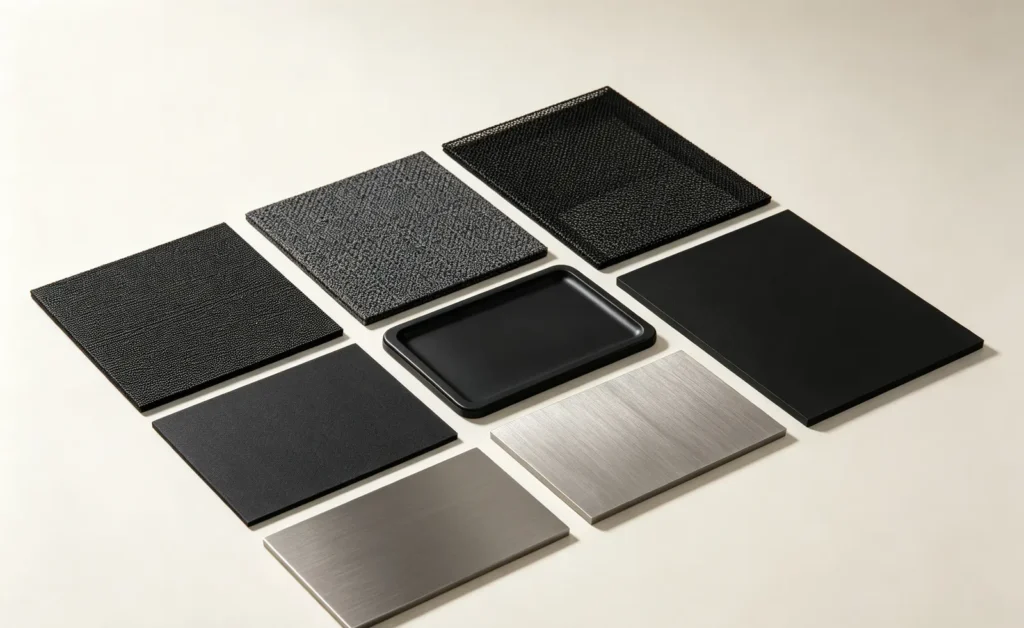
Materials
Mesh, fabric, foam, plastic and metal directions.
02
Colors & finishes
Surface color, texture and finish coordination.
03
Functions
Review components and adjustment requirements.
04
Brand presentation
Logo application and product-label direction.
05
Packaging
Plan around transport, channel and assembly needs.
06
Documentation
Coordinate product and assembly information
Product development process
A staged route from requirements to planning.
The workflow below is illustrative. Actual stages, responsibilities and timing depend on the selected product and agreed development scope.
01
Requirement Review
Understand the buyer type, target market, quantity, positioning and project requirements.
02
Product Selection or Concept Development
Select an existing product platform or review a modified concept.
03
Material and Finish Confirmation
Confirm mesh, fabric, foam, plastic, metal, color and surface finish directions.
04
Prototype Development
Prepare a functional sample for structure and appearance evaluation.
05
Sample Evaluation
Review dimensions, adjustment functions, comfort and packaging requirements.
06
Production Planning
Confirm specifications, quantities, quality checkpoints and the intended delivery schedule.
Illustrative Material Direction
Materials & colors
Coordinate the collection, not just one surface.
Review visible and functional materials together so the selected product direction supports the intended market and channel.
Upholstery
Packaging configuration to be confirmed
Structure
Plastic and metal components
Comfort
Foam and surface selection
Expression
Color and finish coordination
No carton dimensions, loading quantities or test results are stated without supporting documentation.
Sample process
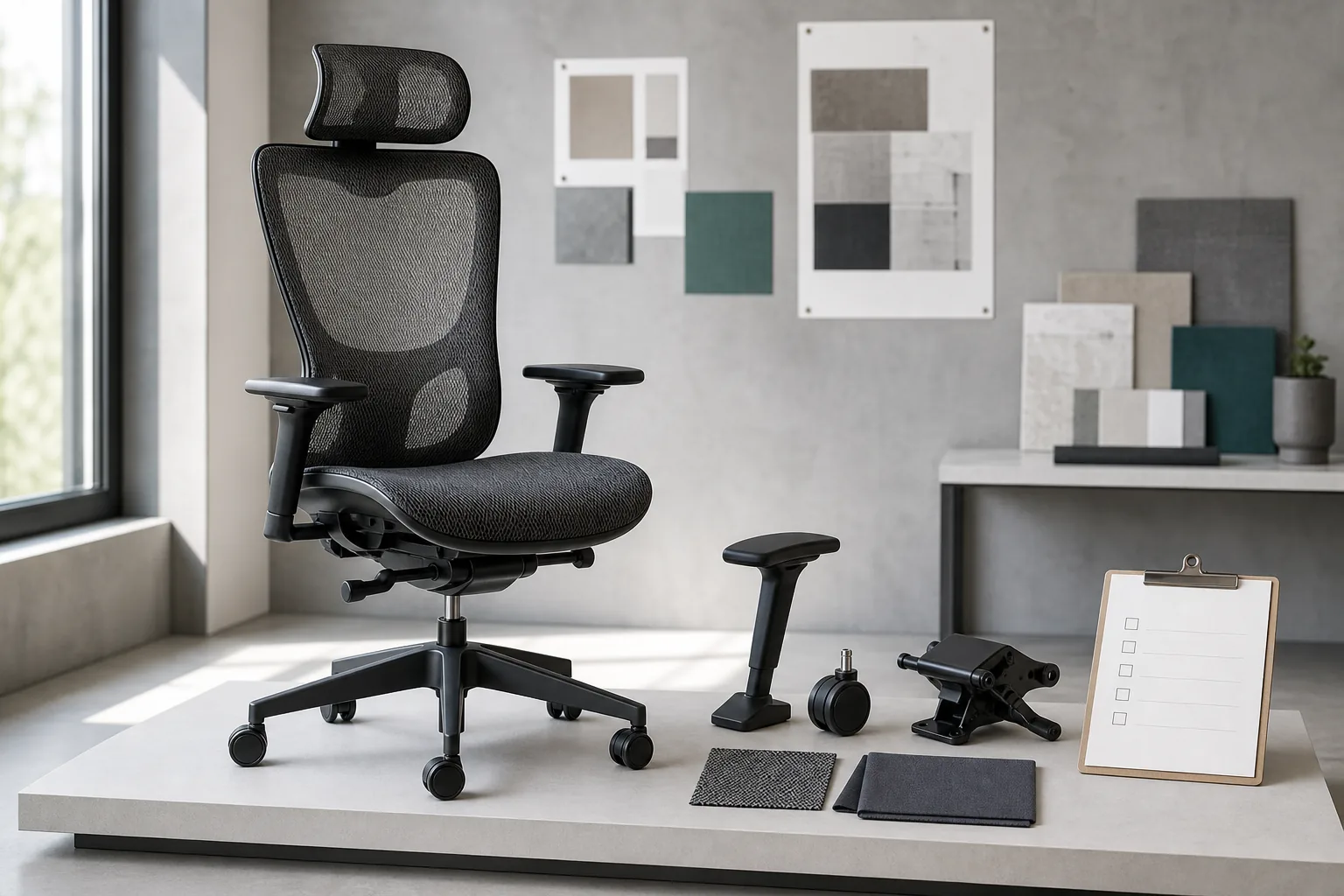
Use the sample to resolve the product.
A functional sample supports structure, appearance and requirement review before production planning.
Ergonomic task seating
Executive office settings
Open workstations
Meeting spaces
Coordinated materials and colors
Demo estimate where applicable: 10–15 working days. Actual sample timing requires confirmation.
Demo Sample Evaluation Visualization
Demo Packaging Visualization
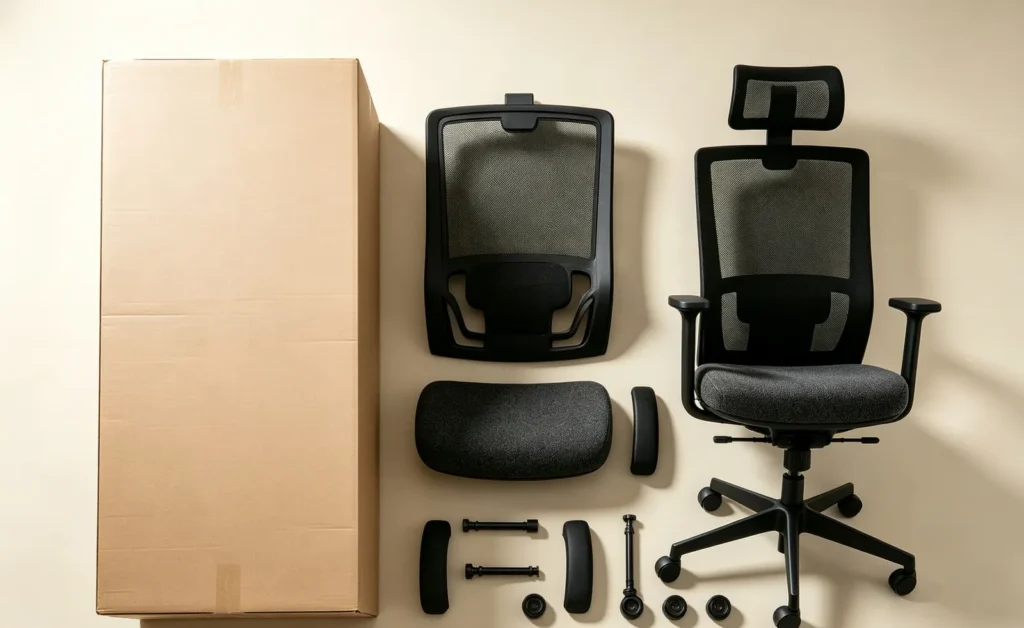
Packaging customization
Plan around transport, channel and assembly.
Packaging direction can be reviewed alongside product configuration so the intended sales channel and assembly experience are considered early.
Packaging configuration
Assembly instruction support
Product and carton label direction
Channel-specific brand presentation
Carton dimensions, loading quantities, packaging tests and printing specifications require actual supporting documentation.
Product combination method
Move from space requirements to a coordinated product set.
The combination shown here is an illustrative planning method. Final products, functions and finishes must be confirmed for the selected project.
01
Target market
02
Product reference
03
Functional requirements
04
Estimated quantity
05
Target price range
06
Material preferences
07
Certification requirements
08
Packaging requirements
09
Project timeline
FAQ
Questions to resolve before development begins.
Answers are intentionally qualified because the final scope depends on the selected product and purchase agreement.
Should a project begin with OEM or ODM?
Begin with the closest existing platform when possible. A modified concept can be reviewed when the required positioning or functions are not adequately covered.
What is the minimum order quantity?
MOQ depends on the selected product and customization scope and must be confirmed for the project.
How long does a sample take?
The fictional demo estimate is 10–15 working days. Actual timing depends on component availability and the confirmed sample brief.
Can materials and colors be customized?
Material and color directions can be reviewed, subject to product compatibility, availability, estimated quantity and sample confirmation.
Can certification requirements be discussed?
Yes. The target market and required standard should be identified first. Only actual documentation for the selected product may be presented.
Can packaging be adapted for a sales channel?
Packaging, assembly information, labels and brand presentation can be reviewed around transport and channel requirements.
Start a project
Bring the brief.
Define the next review.
Share the target market, product reference, functional requirements, quantity, materials, certification needs, packaging and timeline.